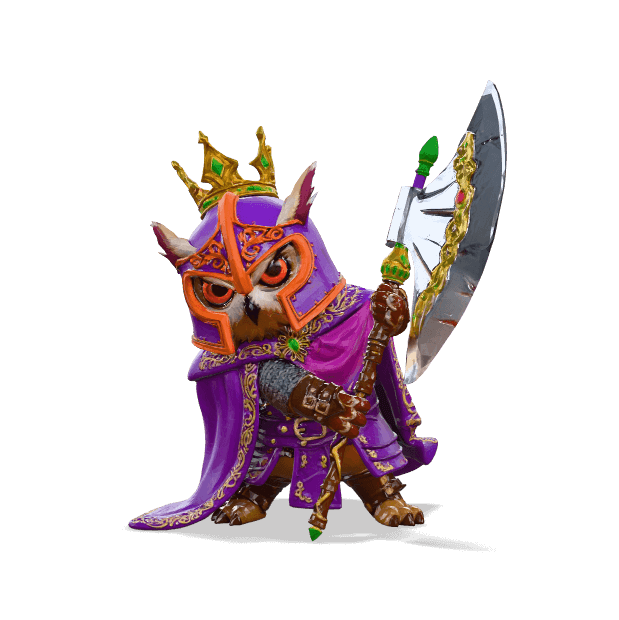
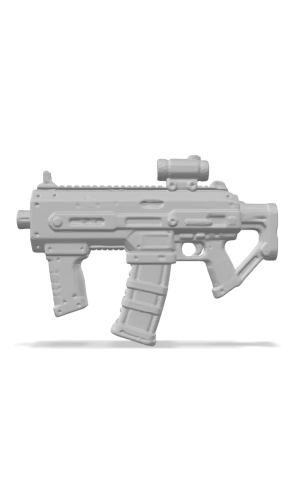
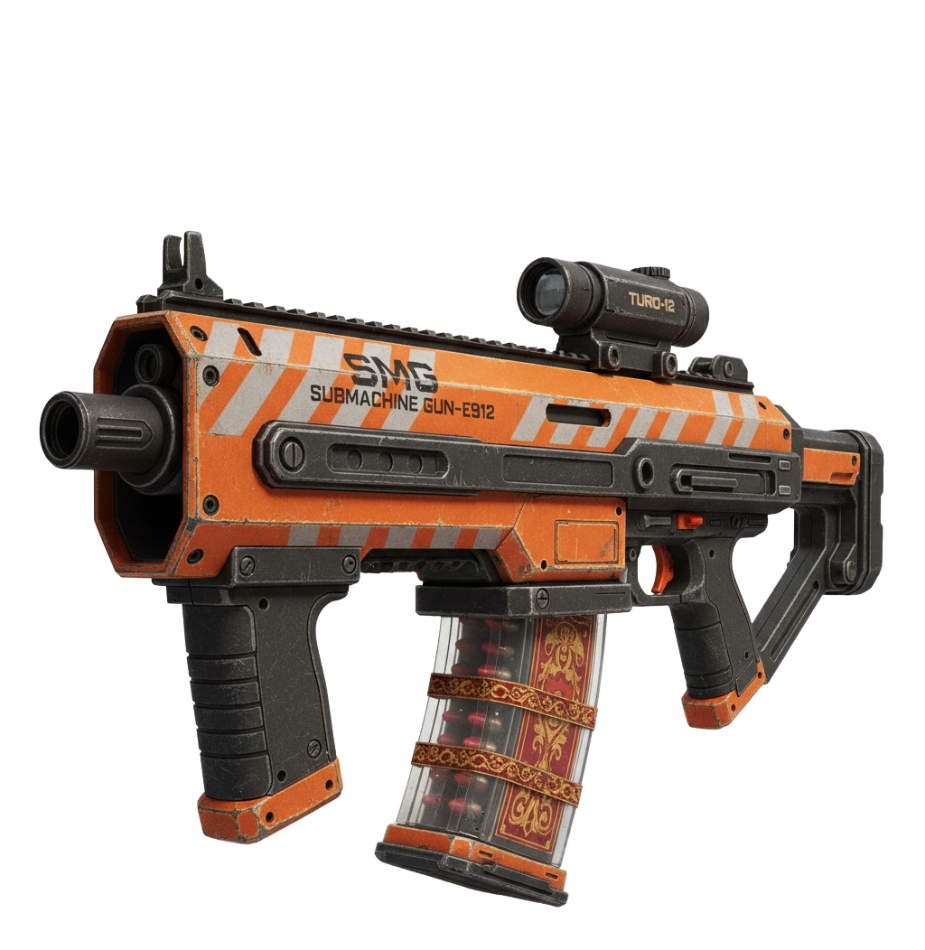
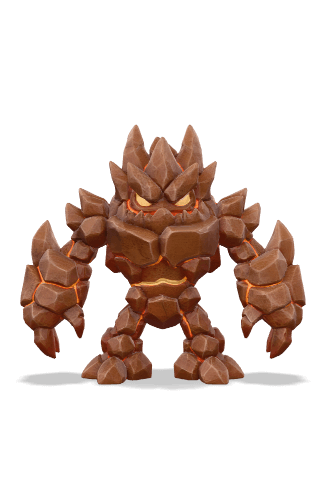
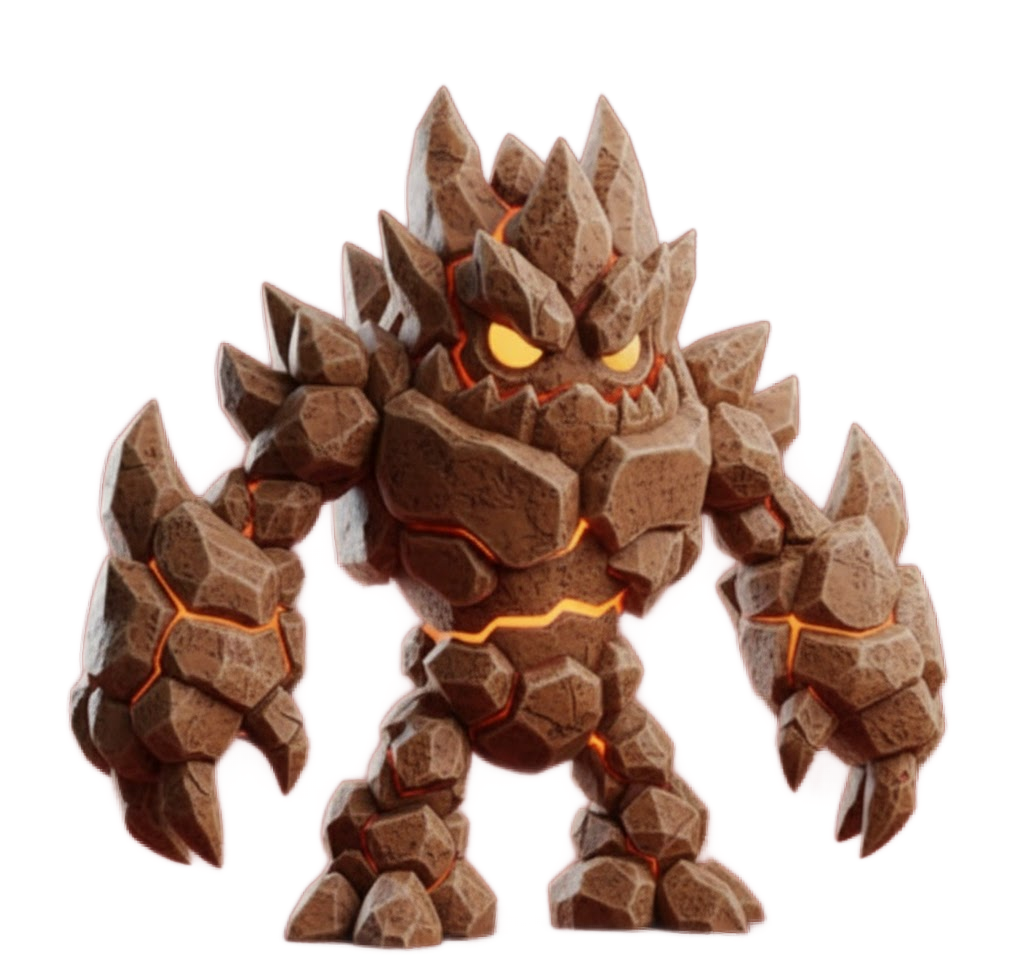
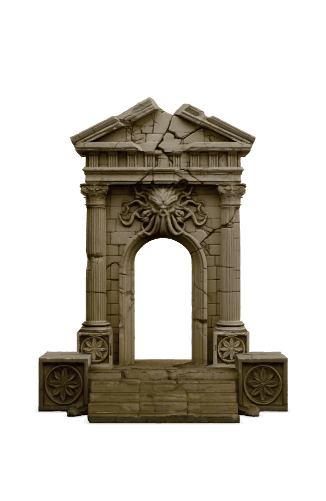
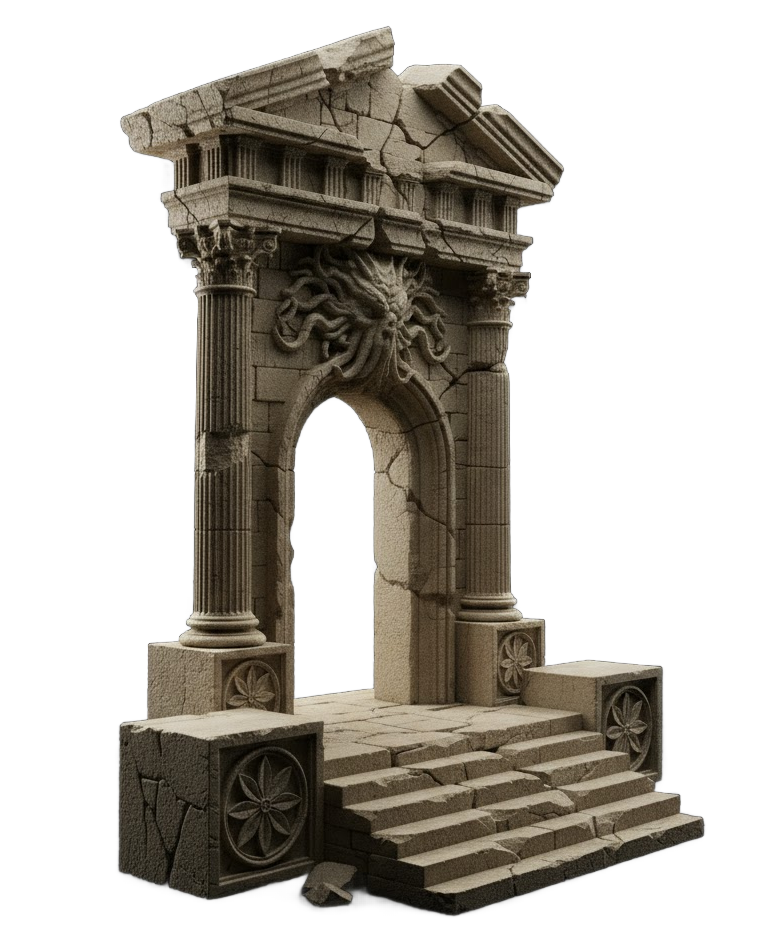
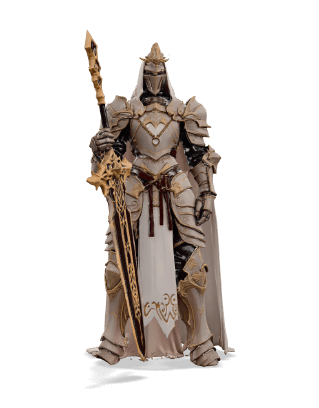
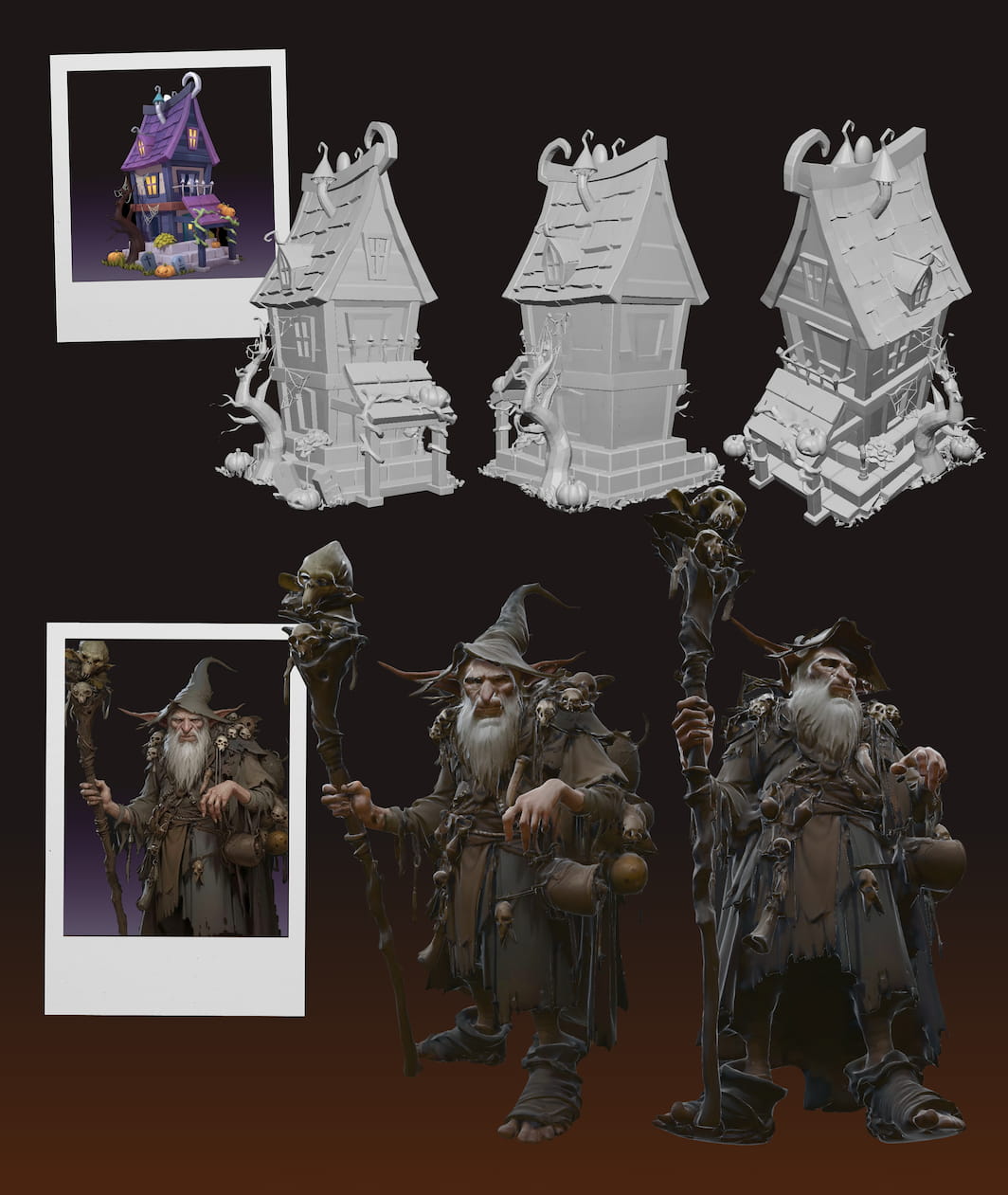
An AI 3D model generator is a sophisticated software tool that uses artificial intelligence to automatically create three-dimensional models from simple inputs like text descriptions or 2D images. Unlike traditional 3D modeling software that requires hours of manual work, technical skill, and complex manipulation, an AI generator interprets the user's prompt and builds the 3D asset—including its shape, structure, and often textures—autonomously in a fraction of the time.
This technology is powered by advanced machine learning models, such as generative adversarial networks (GANs) or diffusion models, which have been "trained" on massive datasets containing 3D shapes and their corresponding 2D images. When a user uploads a photo of an object, the AI analyzes its features, lighting, and shading to understand its geometry. It then constructs a new 3D mesh (the model's "skeleton") and applies textures (its "skin") based on this learned data, effectively "imagining" the object's full 3D form from a flat picture.
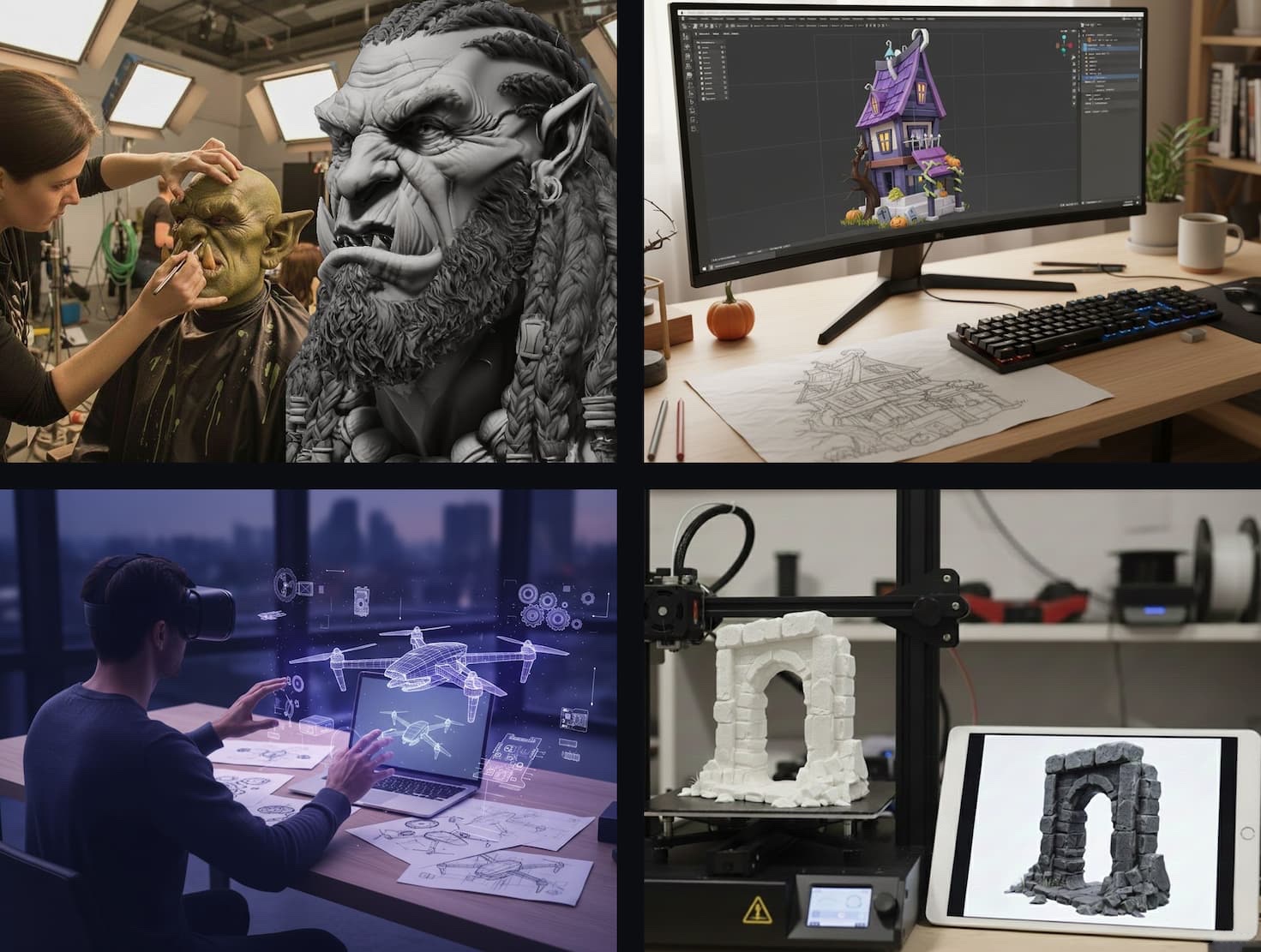
The primary impact of AI 3D model generators is their ability to democratize 3D content creation. They dramatically lower the barrier to entry, allowing game developers, designers, artists, and hobbyists to quickly prototype ideas or generate assets without extensive specialized training. This technology is rapidly accelerating workflows in game design, film production, product design, virtual reality (VR), augmented reality (AR), 3D printing, and e-commerce by making the creation of 3D content faster and more accessible than ever before.